Collagen
-Collagen powder is pure protein obtained by purifying collagen-rich tissues and reducing their molecular weight (hydrolyzing) through enzymes.
-Generally, 1 spoon (10-20 grams) of powder is consumed daily, added to water, coffee, smoothies, or soups.
-Compared to tablets or capsules, collagen powder offers advantages such as high absorption, high dosage options, and versatility of use.
Gelatin
-It is a colorless and odorless ingredient obtained by processing animal-derived collagen protein, used as a thickening agent in the food industry and in the kitchen.
-It is used as a thickening agent because it exhibits gelling properties when it comes into contact with liquids.
-It is used in the production of desserts such as cheesecake, panna cotta, and custard, as well as marshmallows, jellies, sauces, and some pharmaceutical capsules.


Leaf Gelatin
-It is an odorless, colorless animal-derived food that gives consistency, texture, and shine to desserts and dishes.
-Used as a gelling agent in products such as panna cotta, cheesecake, jelly, and mousse, this product comes in thin sheets that are easy to portion.
-Used as a binder in clear soups, meat sauces, and deli meats.
-Used to make homemade Turkish delight or jelly candies.
Pectin
Pectin is a water-soluble fiber that occurs naturally in the cell walls of plants. It is found in high concentrations, particularly in apples, citrus fruits, and some vegetables. In the food industry, it is most commonly used to thicken jams, marmalades, and jellies. When combined with sugar and acid, pectin forms a gel-like structure, giving products a shiny, dense, and spreadable texture. Thanks to its fiber content, it also supports the digestive system and contributes to a feeling of fullness. It can also be safely used as a natural thickening agent in homemade jams and sauces.

Carragenan
Carrageenan is a naturally occurring polysaccharide derived from red seaweed and is widely used in the food industry as a thickener, gelling agent, and stabilizer. In dairy products, plant-based milks, desserts, sauces, and processed meats, it improves texture, provides a homogeneous structure, and prevents separation. With the correct dosage and appropriate form selection, it both enhances sensory quality and supports shelf life. Three main types of carrageenan are commonly used in the industry: kappa, iota, and lambda. Kappa carrageenan is preferred for firm and shearable gels, iota for more elastic gels, and lambda for thickening applications that do not form gels. The appropriate carrageenan type and usage rate for your application should be determined according to the product formulation and desired texture.

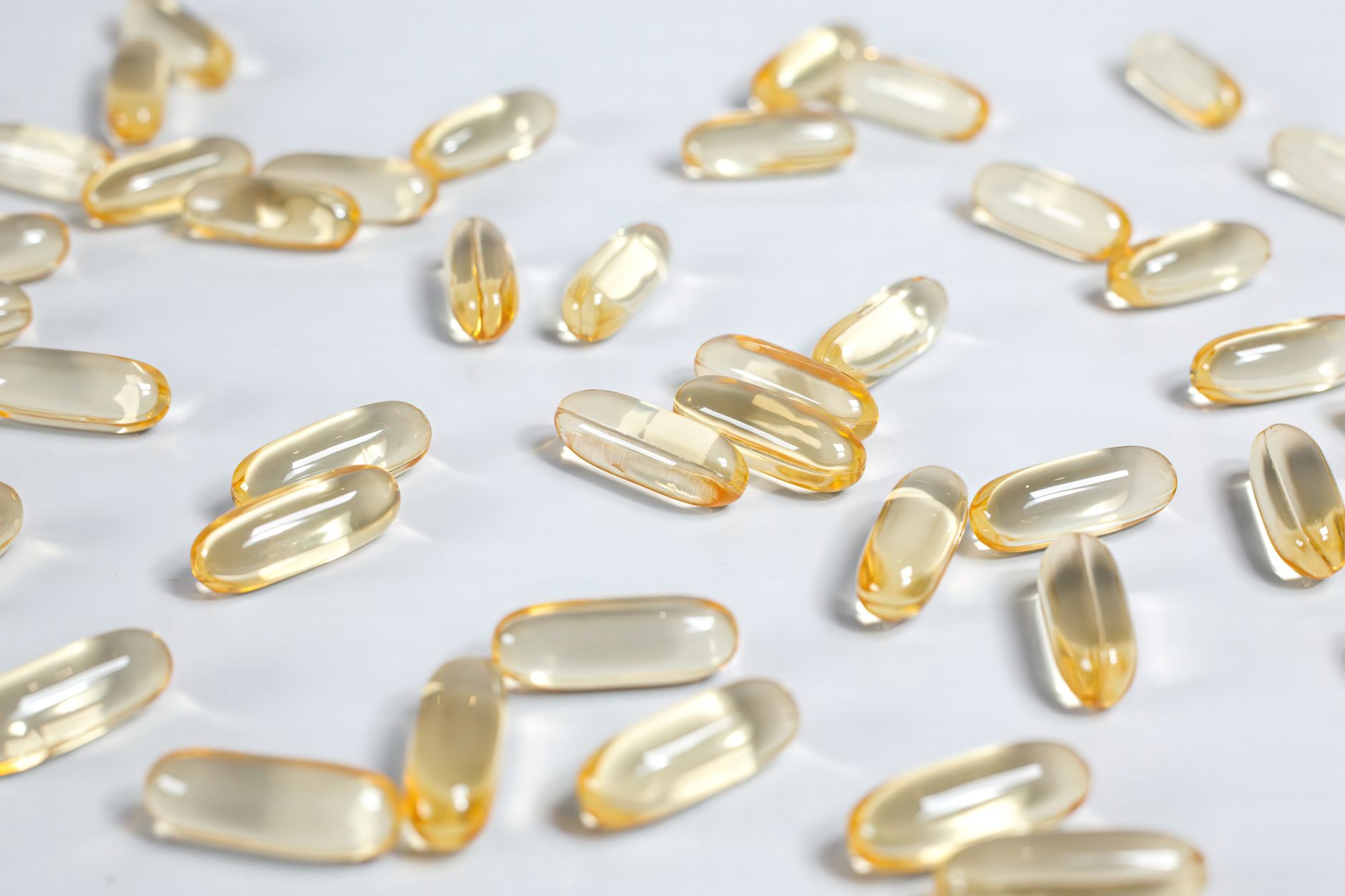
Fish Oil